Key Takeaways
- Myopia and hyperopia are both refractive errors, and both are common.
- With myopia, faraway things look blurry, while close-up things stay clear.
- With hyperopia, close-up things look blurry while distance vision stays clear.
- Minus numbers on a prescription point to myopia, and plus numbers point to hyperopia.
- An eye exam sorts out which one you have and what can help.
Two Blurry Problems, Two Different Stories
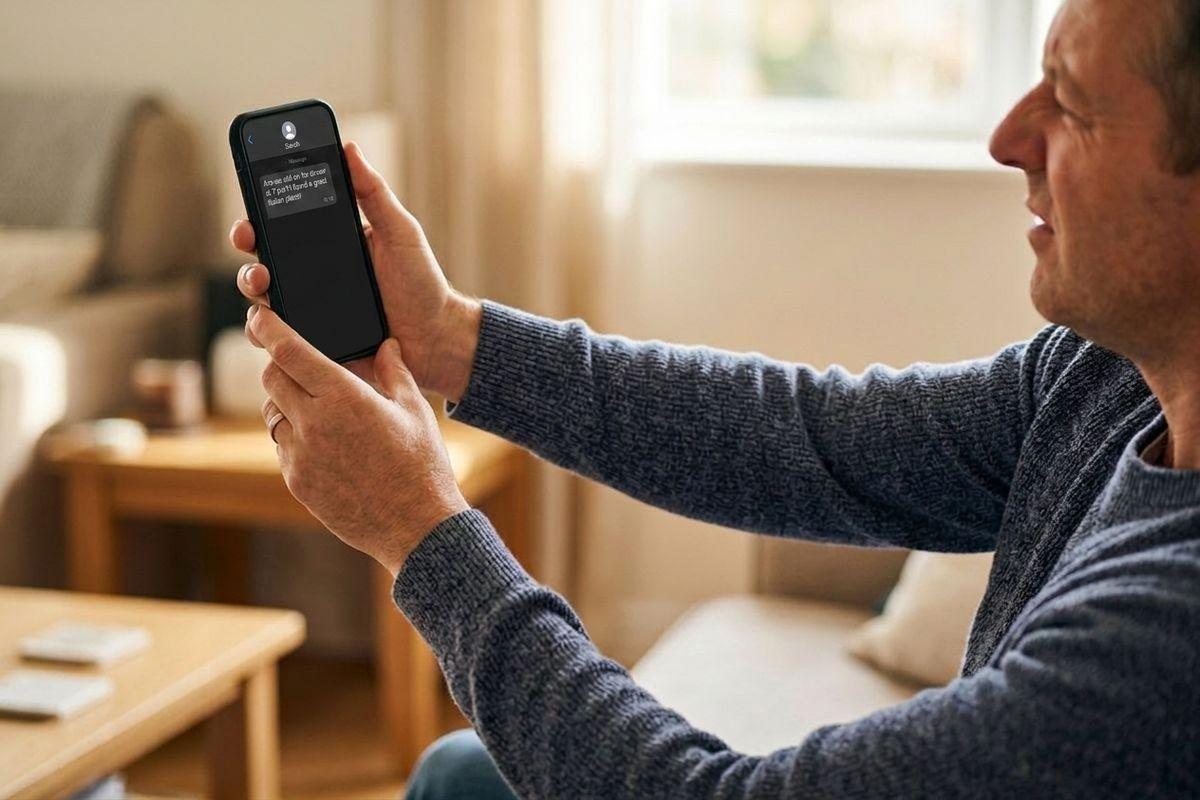
You hold your phone at arm’s length to read a text. Meanwhile, your friend leans forward and squints at the highway exit sign. You’re both frustrated by blurry vision, but you’re dealing with opposite situations. Our team at Queensway Optometric Centre sees both kinds of vision problem often, and we know that a proper treatment plan starts with understanding your eyes.
Myopia, or nearsightedness, causes distant objects to look blurry, while close-up vision stays clear. Hyperopia, or farsightedness, does the reverse, causing near objects to appear blurry, while distance vision stays sharp.
How Each One Affects Your Vision
Myopia, or Nearsightedness
With myopia, the eye is often a little longer from front to back. This causes light to land in front of the retina instead of directly on it, which in turn results in blurry distance vision.
Myopia often shows up in childhood and tends to progress through the teen years. If myopia progresses far enough, it also increases a person’s odds of developing more serious eye conditions later in life.
Hyperopia, or Farsightedness
Hyperopia works the other way around. In people with this condition, the eye is often a little shorter from front to back, which causes light to land behind the retina rather than on it.
Plenty of children have mild hyperopia at birth. In most cases, this kind of hyperopia resolves as the eyes grow, though it sometimes also sticks around.
Signs to Watch For
Signs of Myopia
Symptoms of myopia tend to appear when you’re trying to use your distance vision. This might include:
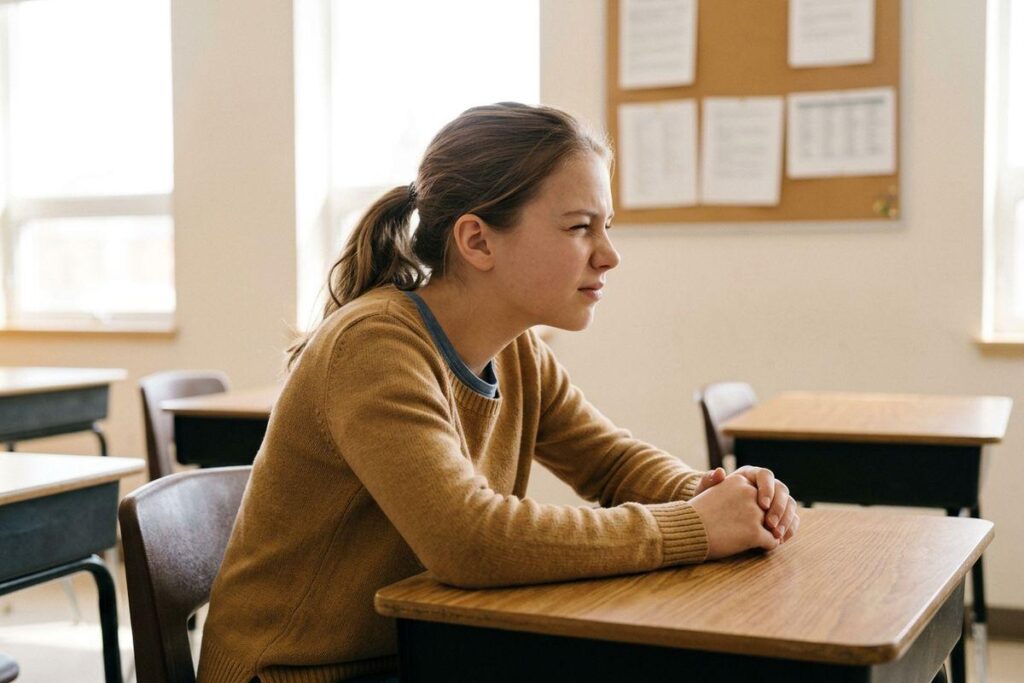
- Squinting at road signs or the front of a classroom
- Sitting very close to the TV
- Eye strain or headaches after focusing on faraway things
Signs of Hyperopia
Hyperopia shows up during the quiet stuff, like homework, hobbies, and scrolling. Symptoms include:
- Blurry vision for close-up tasks like reading books or doing close-up crafts
- Headaches or tired eyes after close work
- Trouble focusing when tasks require near focus
How to Tell Which One You Have
Guessing based on symptoms only gets you so far. A professional eye exam, on the other hand, can not only identify which condition you have, but can also determine what sort of prescription you need. Here’s what to expect during your eye exam.
What Your Prescription Numbers Mean
Once you have the paper in your hand, the numbers on your prescription tell the story. Minus numbers point to myopia. Plus numbers, such as +1.25, point to hyperopia.
Astigmatism is a separate consideration and can show up alongside either condition, so seeing it listed on your prescription doesn’t change which category you fall into.
Options to Help You See Clearly
Glasses and contact lenses are the everyday answer for both myopia and hyperopia. You can browse frames and lenses from several brands. For children with myopia, there are myopia control choices worth talking through with an optometrist in Mississauga. Refractive surgery is another route for some adults once vision has settled.
Daily Habits an Optometrist in Mississauga May Suggest
Small changes can help keep your vision comfortable. The 20-20-20 rule, for instance, makes screen time easier on your eyes. Every 20 minutes, you look at something 20 feet away for 20 seconds.
Regular outdoor time can reduce the risk of myopia in children, so make sure that your child gets 2 hours of outside time every day. It may also help to ensure that they have good lighting when they’re using a screen or doing other tasks that require near focus.
Book an Eye Exam and Get a Clear Answer
Our team at Queensway Optometric Centre in Mississauga can walk you and your family through what’s going on with your vision and which options fit your day-to-day life.
Book an eye exam today and find out what your eyes have been trying to tell you.